
$105.00
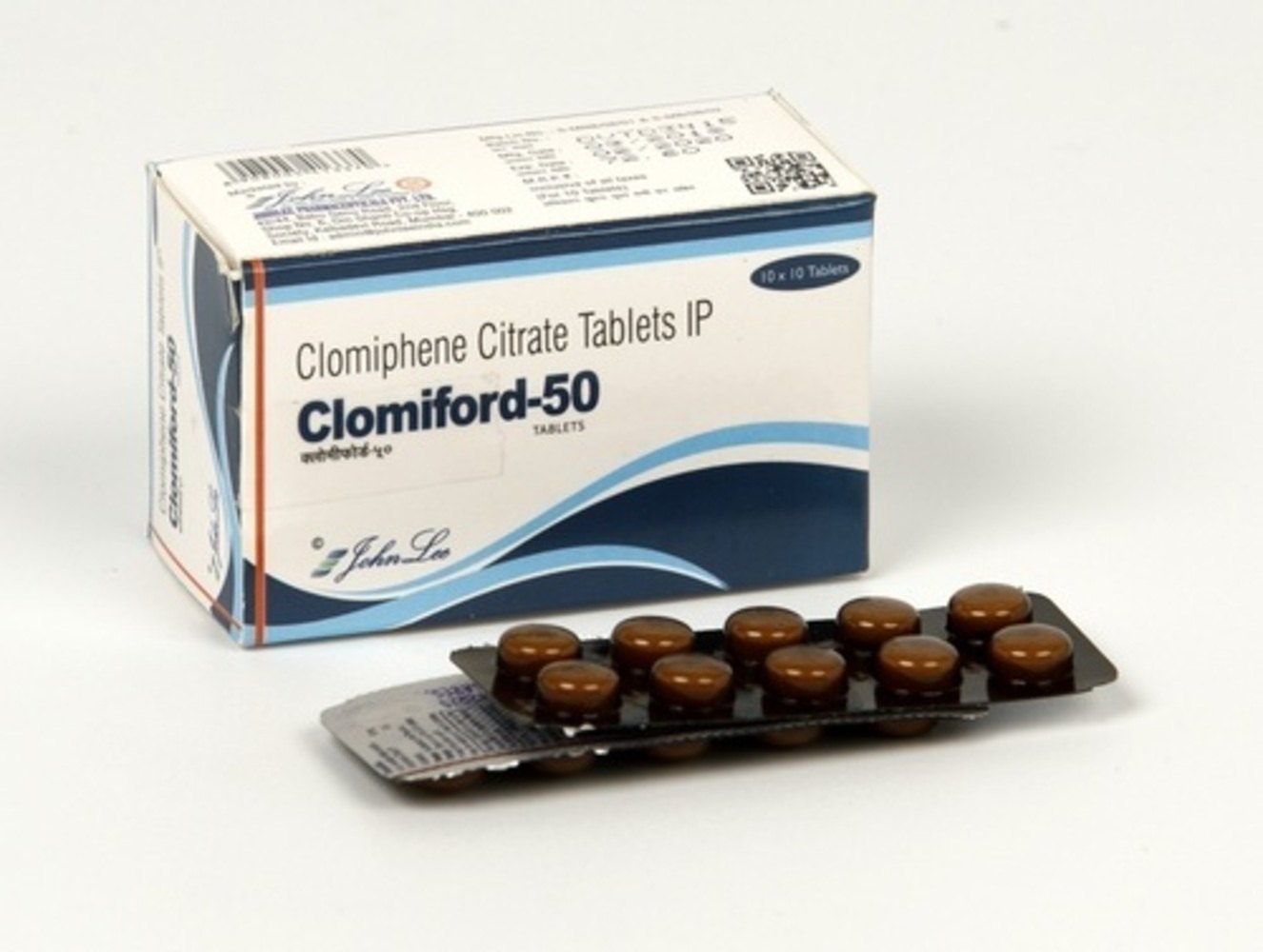
Clomid is a well-established oral medication designed to help women ovulate and improve their chances of conception by stimulating the natural hormonal processes involved in egg release.
What it is: Clomid, scientifically known as clomiphene citrate, is an oral medication primarily used to treat infertility in women who have certain ovulation disorders. It’s often considered one of the first-line treatments for women who are not ovulating regularly or at all.
How it Works (Simply): Think of your brain sending signals to your ovaries to release an egg. Sometimes, these signals aren’t strong enough. Clomid essentially “tricks” your brain into thinking there isn’t enough estrogen circulating in your body. In response, your brain then sends stronger signals (specifically, increased production of hormones called FSH and LH) to the ovaries. This boost in signals helps stimulate the growth and release of eggs (ovulation).
Main Use:
Why it’s Prescribed:
Important Considerations (General):




Reviews
There are no reviews yet.