
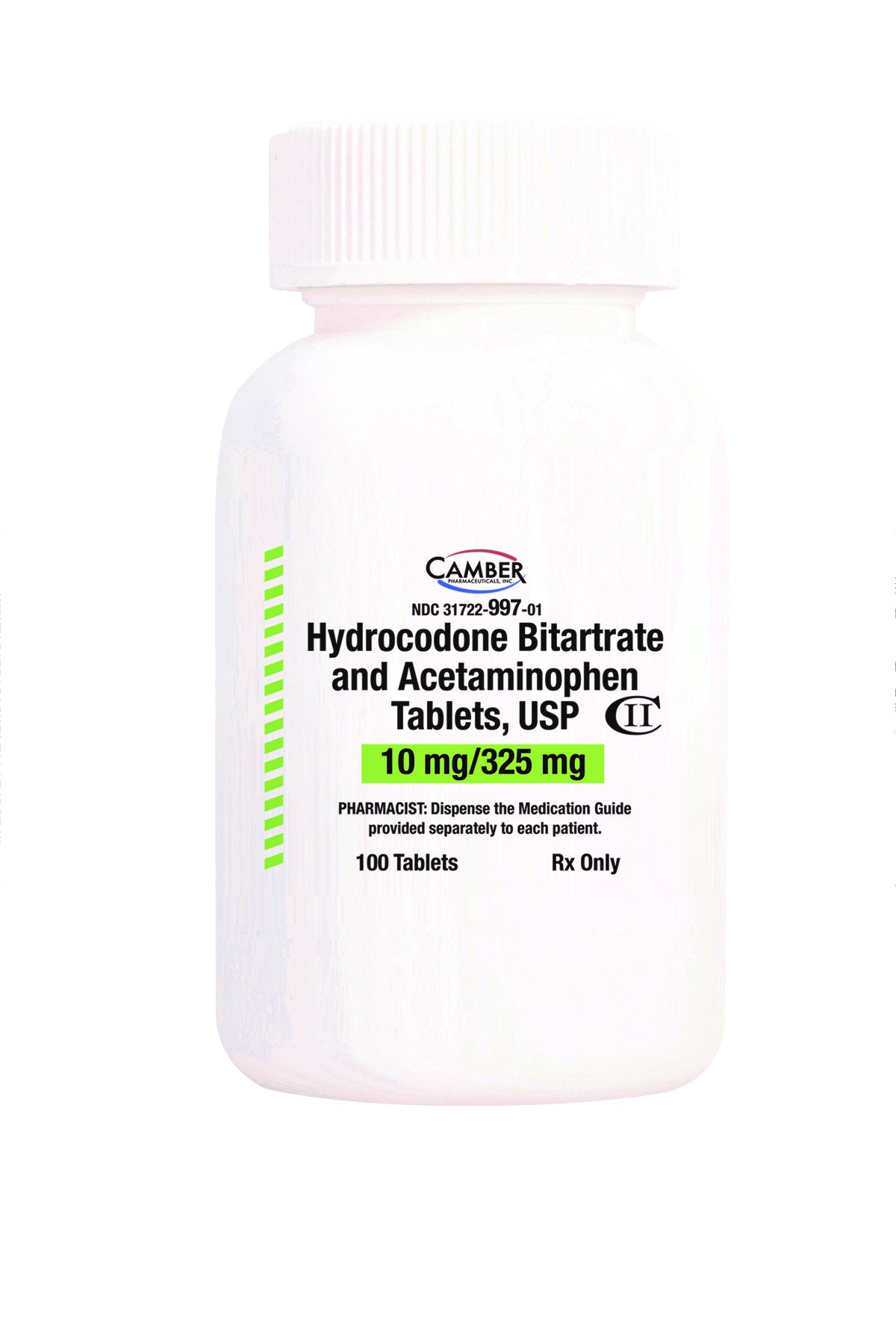
$180.00 – $500.00Price range: $180.00 through $500.00
| Feature | Details |
| Primary Uses | Moderate to severe pain (post-surgery, injury, dental) and cough suppression. |
| Active Ingredients | Hydrocodone (Opioid) + Acetaminophen (Non-opioid pain reliever). |
| Control Level | Schedule II Controlled Substance (High potential for dependence). |
| Administration | Best taken with food or milk to prevent stomach upset; swallow whole. |
| Major Risk | Respiratory depression (slowed breathing) and liver damage (if exceeded). |
hydrocodone vicodin is a powerful prescription opioid pain reliever and cough suppressant used to manage moderate to moderately severe pain. Often recognized by brand names like Vicodin (a combination of hydrocodone and acetaminophen), it is a significant medication that carries potential risks such as addiction, dependence, and overdose.
Pain Relief: Hydrocodone works by binding to opioid receptors in the brain and central nervous system. This alters the way the body perceives pain by blocking pain signals sent to the brain and creating a sense of euphoria.
Cough Suppression: Hydrocodone also acts on the cough center in the brain to reduce the urge to cough.
Combination with Acetaminophen: When combined with acetaminophen (as in Vicodin), the two medications work together to provide enhanced pain relief. Acetaminophen amplifies the pain-relieving effects of hydrocodone and also has its own mild pain-relieving properties.
Moderate to Moderately Severe Pain: Prescribed for pain relief from:
Injuries (sprains, fractures)
Post-operative pain
Dental pain
General moderate aches and pains
Cough Relief: It can also be used to suppress persistent coughs.
Often Combined: Very commonly found in combination products with acetaminophen.
Prescription Required: Hydrocodone is a controlled substance (Schedule II in the US) and requires a prescription.
Dosage is Key: Always take exactly as prescribed by your doctor. Never take more than directed or take it more often than prescribed.
Take with Food: To help reduce nausea and stomach upset, it is often recommended to take it with food or milk.
Do Not Crush or Chew: If you have extended-release formulations, do not crush, chew, or break them. This can rapidly release a dangerous amount of the medication.
Short-Term Use: Generally intended for short-term management. Prolonged use can lead to tolerance, dependence, and addiction.
Acetaminophen Limit: Be very careful not to exceed the recommended daily dose of acetaminophen to avoid liver damage.
Common side effects include:
Drowsiness or sedation
Dizziness and lightheadedness
Nausea and vomiting
Constipation (very common)
Dry mouth, headache, and confusion
Seek emergency care if you or someone else experiences:
Severe drowsiness or difficulty waking up
Significantly slowed breathing (respiratory depression)
Severe confusion or hallucinations
Signs of an allergic reaction (hives, swelling of the face, difficulty breathing)
Signs of liver damage (yellowing of skin/eyes, dark urine)
Addiction and Dependence: Hydrocodone is an opioid with a high risk of misuse. Use only as prescribed.
Respiratory Depression: This is the most serious risk. Slowed or stopped breathing can occur, especially when combined with other sedating substances.
Alcohol: AVOID alcohol while taking hydrocodone. It significantly increases the risk of fatal respiratory depression.
Driving: Hydrocodone can impair your ability to drive or perform tasks requiring mental alertness.
Drug Interactions: Do not combine with benzodiazepines, muscle relaxants, or sleep aids without medical approval.
Pregnancy and Breastfeeding: Hydrocodone can harm an unborn baby and pass into breast milk, causing withdrawal symptoms in newborns.
Other Medical Conditions: Inform your doctor about any history of breathing problems, sleep apnea, stomach or intestinal problems, kidney or liver disease, or mental health conditions. Comprehensive medical oversight is necessary whenever you are prescribed hydrocodone Vicodin to ensure safe and effective treatment.
| Milligram-(mg) | 10 mg/300 mg, 10 mg/500 mg, 5 mg/300 mg, 5 mg/500 mg, 7.5 mg/300 mg, 7.5 mg/500 mg |
|---|---|
| Tablets per Bottle |

Reviews
There are no reviews yet.