
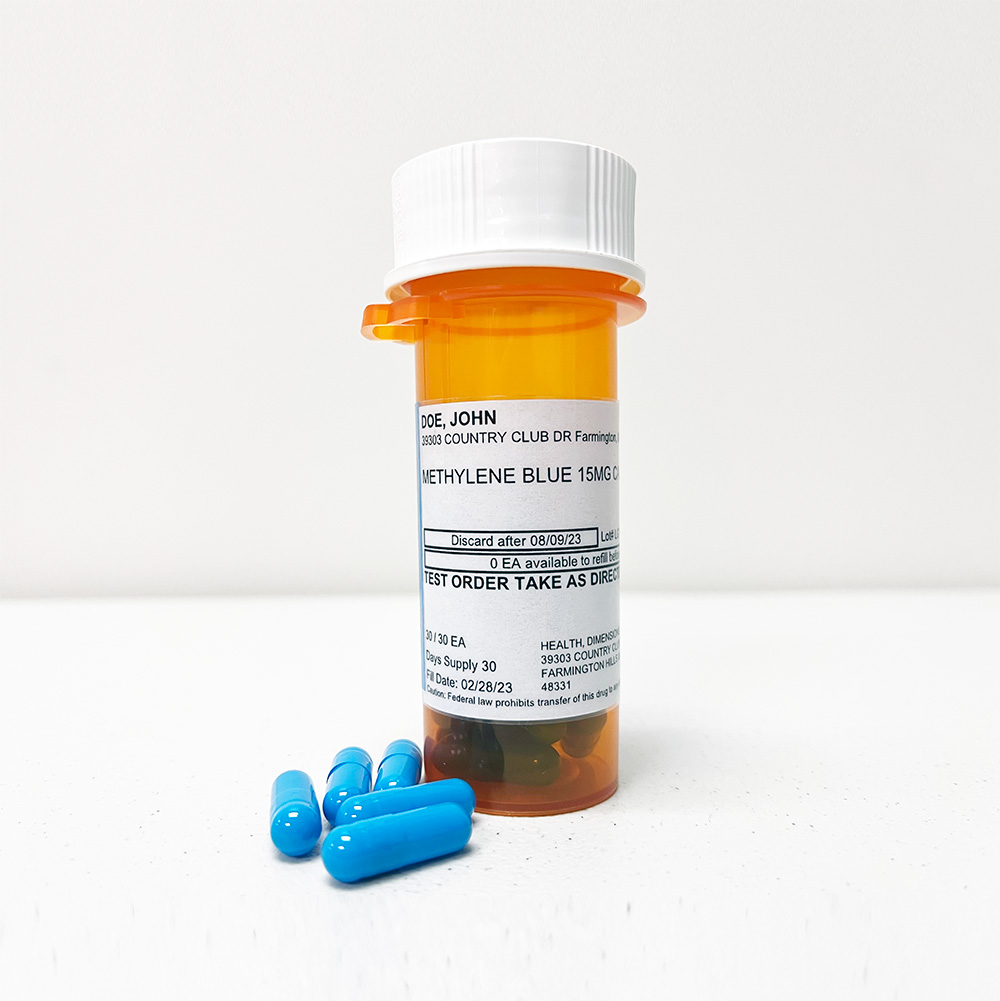
$144.00 – $1,250.00Price range: $144.00 through $1,250.00
| Feature | Details |
| Primary Uses | Severe chronic pain management; Opioid use disorder (detox and maintenance). |
| How it Works | Binds to opioid receptors to block pain and reduce withdrawal cravings. |
| Duration | Long-acting (high half-life); stays in the system much longer than heroin. |
| Major Risks | Respiratory depression (slowed breathing), addiction, and heart rhythm issues. |
| Drug Class | Schedule II Controlled Substance. |
| Strict Rule | Never combine with alcohol or benzodiazepines (Xanax, Valium). |
While some healthcare discussions involve methylene blue pills for specific metabolic issues, Methadone is a long-acting synthetic opioid medication used for two primary purposes: to manage severe chronic pain and as part of medication-assisted treatment (MAT) for opioid addiction (e.g., heroin or prescription opioid dependence). Because it has a long duration of action and a high potential for addiction and serious side effects, it is a strictly controlled medication.
Pain Relief: Like other opioids, methadone binds to opioid receptors in the brain and spinal cord. This interaction alters the perception of pain, reduces the intensity of pain signals, and can produce feelings of well-being.
Opioid Addiction Treatment: In MAT, methadone works by occupying opioid receptors in the brain. This prevents illicit opioids from producing their desired euphoric effects and also reduces withdrawal symptoms and cravings, allowing individuals to stabilize and focus on recovery. It has a much longer half-life than many illicit opioids, providing more consistent effects.
Severe Chronic Pain: Used for persistent, severe pain that requires around-the-clock opioid management, such as pain associated with cancer, chronic nerve pain, or severe musculoskeletal pain.
Opioid Addiction Treatment (MAT): A cornerstone of treatment for opioid use disorder, helping individuals manage withdrawal symptoms and cravings, and reduce the risk of relapse and overdose.
Strict Prescription Required: Methadone is a Schedule II controlled substance in the US, indicating a high potential for abuse and dependence. It is available only by prescription.
Dosage is Critical: The dose is highly specific to the individual. For pain, doses vary and are adjusted to manage symptoms. For addiction, doses are typically determined by a licensed treatment program.
Do Not Deviate: Taking more than prescribed, or using it for non-prescribed purposes, can be fatal.
Long Duration of Action: Effects last much longer than many other opioids. Side effects, particularly respiratory depression, can occur hours after taking a dose.
Avoid Alcohol: Combining methadone with alcohol or benzodiazepines (e.g., Xanax) dramatically increases the risk of fatal respiratory depression.
Methadone can cause significant side effects, including:
Severe drowsiness or lethargy
Slowed or shallow breathing (Respiratory Depression)
Nausea, vomiting, and constipation
Dizziness, confusion, or headache
Prolonged QTc interval (dangerous heart rhythms)
Seek emergency care if you or someone else experiences:
Extremely slow or stopped breathing
Unresponsiveness or profound drowsiness
Pale or bluish lips and fingernails
Fainting or irregular heartbeat
High Risk of Overdose: Due to its long half-life, the medication can accumulate in the body over time.
Addiction and Dependence: It carries a high risk of physical dependence, even when used as prescribed.
Drug Interactions: Methadone interacts with a vast number of medications, including antidepressants and certain antibiotics.
Driving: Methadone can impair your ability to drive or operate machinery. Always inform your pharmacist of all other supplements or medications you are using, including methylene blue pills, to prevent dangerous interactions.
| Milligram-(mg) | |
|---|---|
| Tablets per Bottle |
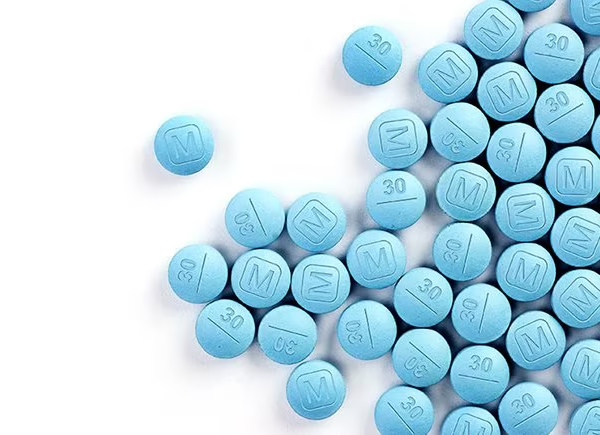
Reviews
There are no reviews yet.